

Wild venison presents a unique challenge in the kitchen. With less than 5% intramuscular fat compared to beef’s 10-20%, deer meat dries out faster than most proteins when exposed to traditional cooking methods. The sous vide method changes everything, giving hunters and home cooks a foolproof way to achieve perfectly cooked venison steaks with edge-to-edge consistency. The term ‘sous vide’ is French for ‘under vacuum’, referring to the process of vacuum-sealing food before cooking.
Sous vide is especially beneficial for venison because it allows for precise temperature control, ensuring the meat remains juicy and tender. This method relies on scientific principles of cooking meat, such as the denaturation of proteins and collagen, to achieve optimal tenderness and flavor.
Introduction to Venison Steaks
Venison steaks, cut from the prized deer meat, offer a distinctive and robust flavor that sets them apart from traditional beef steaks. Thanks to the sous vide method, preparing venison steaks has never been easier or more reliable. By sealing the steak in a sous vide bag and immersing it in a precisely controlled water bath, the connective tissue in the meat gently breaks down, resulting in a tender, juicy, and perfectly cooked steak every time. This cooking process allows you to dial in the exact temperature you want—whether you prefer your venison medium rare or a touch more done—ensuring consistent results from edge to center. Using a sous vide machine or device, even home cooks can achieve restaurant-quality venison steaks with minimal effort. The sous vide method not only preserves the natural flavors of deer meat but also guarantees a moist, tender texture that’s hard to replicate with traditional methods. Whether you’re new to wild game or a seasoned hunter, sous vide venison steaks are a delicious way to showcase the best of deer meat.
Understanding Sous Vide Cooking
Sous vide cooking, a French term meaning “under vacuum,” is a revolutionary method that transforms the way we approach cooking meat, especially wild game like venison steaks. The process involves sealing food in an airtight vacuum bag and immersing it in a precisely controlled water bath, where it is cooked slowly at a consistent temperature. This gentle, even heat ensures that your venison is cooked perfectly from edge to center, eliminating the risk of overcooking or undercooking that often comes with traditional methods.
Using a sous vide machine or device, you can set the exact temperature you want your venison to reach, allowing for unparalleled control over the final result. The sous vide method is ideal for cooking venison because it preserves the meat’s natural tenderness and flavor, while also ensuring food safety by keeping the meat at a safe temperature throughout the cooking process. By removing as much air as possible from the vacuum bag, you prevent bacteria growth and ensure even heat transfer, resulting in a tender, juicy, and flavorful steak every time. Whether you’re new to sous vide or a seasoned pro, this method is a game-changer for anyone looking to elevate their wild game cooking.
Why Sous Vide Is Ideal For Deer Steak
Wild venison is notoriously unforgiving. Its extreme leanness means proteins contract rapidly above 130°F, expelling moisture and creating tough, chewy meat within seconds of overcooking. Traditional high heat methods like grilling or pan-frying produce temperature gradients of 20–30°F between the edge and center of a 1.5-inch steak, leaving you with a grey overcooked exterior surrounding an undercooked core.
Sous vide cooking solves this problem through precise temperature control. By holding venison steaks at an exact temperature—say, 125°F for medium rare—the meat reaches equilibrium throughout without ever exceeding the target. Some cooks set the water bath a few degrees above the target internal temperature to account for carryover cooking, ensuring perfect doneness and a tender, melt-in-your-mouth texture. The result is uniformly pink meat from edge to edge, with no risk of the dried-out texture that plagues conventionally cooked venison.
GIIP immersion circulators are designed specifically for this kind of precision, maintaining water temperature within ±0.1–0.2°C while circulating around vacuum-sealed steaks. This consistency matters more for wild game than for fattier meats like beef, where marbling provides a buffer against slight overcooking.
The forgiving nature of sous vide makes it ideal for hunters new to cooking venison: a 2-hour window at the same temperature yields nearly identical results, eliminating the pressure of hitting a precise moment of doneness.
Sous vide cooking is also almost entirely hands-off, making it a convenient option for busy home cooks.
Best Venison Cuts For Sous Vide Deer Steak
Nearly every part of a deer improves with sous vide, from premium loin cuts to sinewy hindquarter steaks. Understanding which venison cut you’re working with determines your time and temperature approach.
Backstrap (Loin) The classic steakhouse-style cut runs along the spine as a long muscle. Mild-flavored and tender, backstrap is ideal at 120–130°F (49–54°C) for 1–3 hours. This is the cut most hunters prize, and sous vide ensures none of it goes to waste from overcooking.
Tenderloin The most delicate cut sits inside the ribcage. Because it has minimal connective tissue, tenderloin requires only 45–90 minutes at 122–128°F (50–53°C). Longer cooking can make it mushy as proteins break down excessively.
Eye of Round This lean, tubular muscle from the hind quarter is sometimes called the “hidden tenderloin.” Its uniform shape makes it ideal for vacuum bagging, and it responds well to 1–2 hours at 120–125°F (49–52°C) followed by a hard 30-second multi-side sear.
Hindquarter Steaks (Blade, Round, Sirloin) Tougher cuts with silver skin and sinew shine when cooked slowly at 131–136°F (55–58°C) for 8–12 hours. The extended time converts collagen to gelatin, softening opaque sinew to translucent tenderness. Even gamey-flavored cuts from mature bucks become more approachable when gently cooked sous vide instead of blasted over high heat.
Preparing Venison for Sous Vide
Preparing venison for sous vide cooking starts with selecting a high-quality venison cut, such as a tenderloin or back strap, known for their tenderness and rich flavor. Begin by trimming away any excess fat and connective tissue, as these can affect the texture and evenness of the cook. Once trimmed, season the venison generously with your favorite blend of herbs and spices—classic choices include thyme, garlic, and freshly cracked pepper—to enhance the natural flavors of the meat.
Before sealing, pat the venison dry with paper towels to remove any surface moisture. This step is crucial, as it helps the seasoning stick and ensures a better sear after sous vide cooking. Place the seasoned venison into a sous vide bag, and use a vacuum sealer to remove as much air as possible. This not only helps the meat cook evenly in the water bath but also reduces the risk of bacteria growth during the sous vide process. Once the bag is tightly sealed, your venison is ready for the sous vide machine, where it will be cooked slowly to tender perfection.
Essential Equipment & Setup For Deer Steak Sous Vide
While early adopters improvised with rice cookers and candy thermometers, modern immersion circulators make sous vide safer and more reliable. Rice cooker setups can fluctuate 5–10°C, creating uneven cooking and food safety risks in the bacterial danger zone.
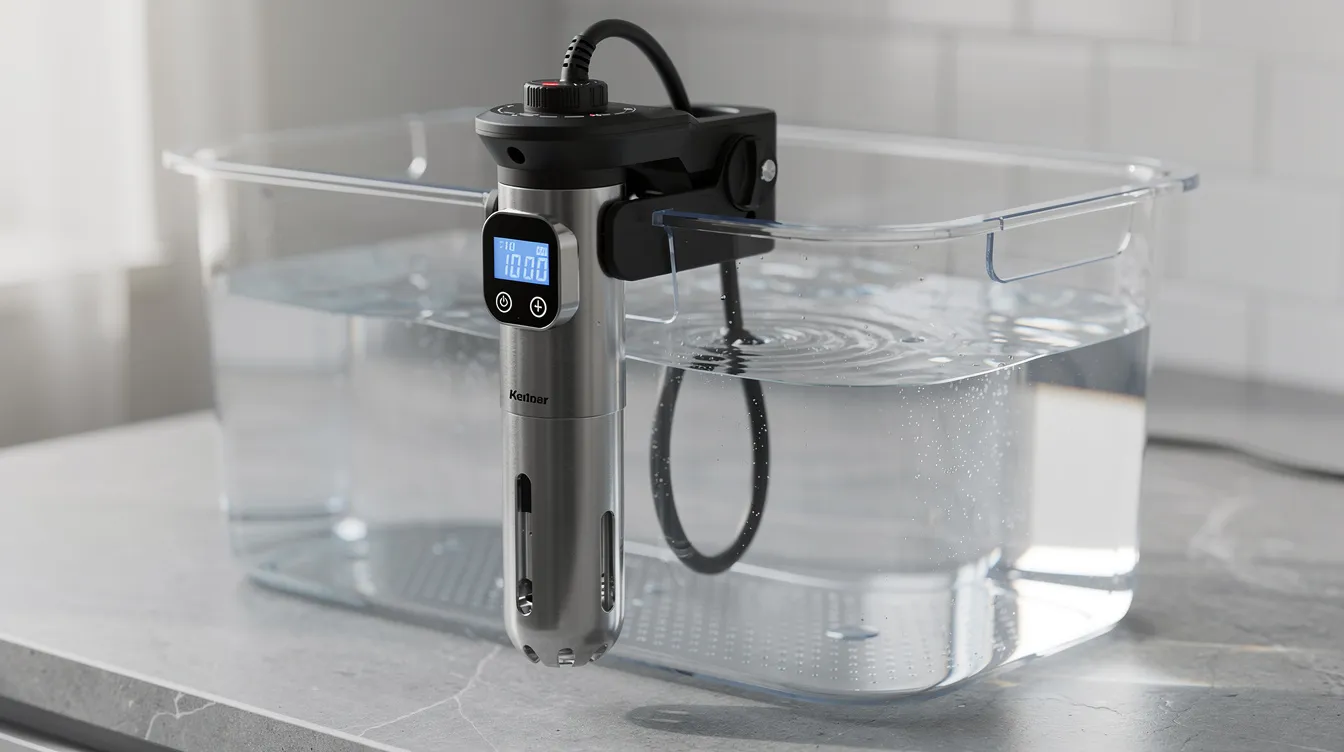
Home Sous Vide Device A GIIP 1100W home immersion circulator clips to any stockpot or polycarbonate tank. App and WiFi control let you set target temperature and cooking time remotely—start your venison steaks cooking while you’re still driving back from the hunt. Many popular brands of sous vide machines include Anova and Breville Joule. Sous vide machines can vary in design, with some models resembling immersion blenders that are placed in a pot of water.
Commercial Equipment For restaurants, hotels, and hunting lodges serving game menus, GIIP commercial circulators (up to 1400W) handle larger water baths of 20–50 liters, cooking multiple roasts or dozens of steaks simultaneously.
Vacuum Sealing Options
- Chamber sealers work best for liquids and marinades in a vacuum bag
- Edge sealers handle solid cuts effectively using a vacuum bag
- Displacement method in a heavy-duty ziplock bag works for beginners—simply package your venison steak in a ziplock bag, seal most of the way, and slowly lower into water to push out air before sealing completely
Sealing meat in a vacuum bag preserves its juices, enhancing flavor and moisture. Vacuum sealing removes air from the bag, which is essential for effective sous vide cooking.
Helpful Accessories
- Racks to separate multiple bags and ensure circulation
- Lids or ping-pong balls to minimize evaporation during long cooks
- Weights or clips to keep bags fully submerged
When preparing your deer steak for sous vide, always seal bag tightly before immersion. Avoid makeshift setups that cycle between 56–58°C. A proper circulator holds within ±0.1°C, which matters enormously for lean game meat.
Baseline Time & Temperature Guide For Deer Steak
Exact cooking times depend on thickness and cut, but this guide covers the most common scenarios for sous vide venison.
| Cut | Temperature | Time | Notes |
|---|---|---|---|
| Backstrap/Tenderloin (1–1.5”) | 125°F / 52°C | 1.5–2.5 hours | Medium rare, sear 60–90s per side |
| Eye of Round (1–1.5”) | 120–125°F / 49–52°C | 1–2 hours | Hard sear essential |
| Hindquarter Steaks with Sinew | 131°F / 55°C | 8–12 hours | Collagen converts to gelatin |
| Very Tough Cuts (Sambar deer) | 136°F / 58°C | 24–36 hours | Opaque sinew becomes translucent |
| Alternative Doneness Targets: |
- 120°F / 49°C for very rare (post-sear reaches 125°F)
- 130°F / 54°C for true medium
- Never exceed 136°F / 58°C for steak presentations—venison’s low fat cannot buffer moisture loss beyond this temp
For food safety with wild game, spending at least 1 hour above 130°F / 54°C achieves pasteurization while preserving texture. This provides a 6.5-log reduction in pathogens like Salmonella without overcooking.
Step-By-Step: Simple Sous Vide Deer Steak (Backstrap Or Tenderloin)
This straightforward method works for any 1–1.5 inch venison steak. The cooking process is forgiving, and results are consistent every time.
Preparation
- Trim all “silver skin” and excess fat from venison steaks before cooking to avoid unpleasant flavor. Trim silver skin (this tough elastin layer won’t break down)
- Pat dry the steaks completely with paper towels—this is crucial to remove excess moisture and ensure a proper sear later.
- Season generously with kosher salt (1–2% by weight), cracked black pepper, and a light coat of neutral oil
Bagging
- Place steaks in a GIIP sous vide bag. Sealing venison in a vacuum bag before sous vide helps retain juices and enhance flavor.
- Add aromatics: 1–2 sprigs fresh thyme, a bay leaf, thin garlic slice, and consider adding rosemary for extra flavor.
- Note: Common seasonings for venison steak include salt, black pepper, garlic, rosemary, and thyme.
- Add a fat source such as butter, fat, or oil to the sous vide bag to enhance flavor and richness.
- Seal the bag using a vacuum sealer or water displacement method, removing as much air as possible
Cooking
- Set your GIIP sous vide machine to 125°F / 52°C
- Preheat the water bath in a large pot
- Submerge bagged steaks and cook for 2 hours (up to 3 hours for flexibility)
- After the timer ends, resting venison after sous vide cooking allows the muscle fibers to relax, improving texture.
Resting
- Rest steaks in-bag for 5–10 minutes after timer ends
- Preheat a cast iron skillet until smoking hot
Searing
- Carefully remove bag from the water bath, then remove meat from bag and pat venison dry with paper towels—this step is important to avoid moisture preventing a good crust during searing.
- Sear the venison steak for 30 to 60 seconds per side in a hot cast-iron skillet with clarified butter or high-smoke-point oil.
- Build a dark brown crust quickly without overcooking the interior
Finishing
- Baste with foaming butter infused with thyme and crushed garlic
- Rest the venison steak for 5–10 minutes before slicing to allow juices to redistribute, then slice against the grain and serve

Advanced Technique: Long Sous Vide For Tough Deer Steaks
Sinewy hindquarter steaks and blade cuts transform through extended cooking that slowly breaks down collagen via hydrolysis. This slow cooking process is ideal for tenderizing tough cuts, allowing flavors to develop and textures to become fork-tender. What would be chewy and unpleasant after quick cooking becomes fork-tender after a day in the bath.
Example Recipe: Hindquarter Steak A 1-inch bottom round or sirloin steak cooked sous vide at 136°F / 58°C for 24–36 hours yields remarkable results. The connective tissue turns translucent and tender while the muscle fibers remain moist.
Note: Sous vide times may vary for tougher cuts of venison, which may require longer cooking times to tenderize. For example, a 2 lb. bottom round venison roast needs to cook for about 14 hours in a sous vide water bath to achieve optimal tenderness.
Critical Factors for Long Cooks:
- Maintain stable temperature (GIIP circulator vs fluctuating rice cooker)
- Keep bags fully submerged using weights
- Cover the container to prevent evaporation—you can lose 1–2 liters per hour without a lid
At 24 hours, meat will be tender but some sinew may still be chewy. Pushing to 36 hours usually yields uniformly soft, steak-like texture.
Serving Ideas:
- Slice thick and serve with a reduced sauce from bag juices
- Shred for tacos, sandwiches, or game ragù
- Cube for warm venison salads
Going beyond 48 hours at these temperatures risks mealy or mushy texture even in venison. Set an upper limit and review recipe results for future cooks.
Benefits of Cooking Medium Rare
Cooking venison steaks to medium rare is widely regarded as the best way to showcase the unique qualities of this lean, flavorful meat. When you use the sous vide method, achieving a perfect medium rare is effortless—simply set your water bath to a temperature between 130°F and 135°F (54°C to 57°C), and let the sous vide machine do the rest. This precise temperature control ensures that your venison steaks are cooked evenly throughout, resulting in a tender, juicy texture that’s never dry or tough.
Medium rare venison retains more of its natural juices and delicate flavors, making each bite succulent and satisfying. The gentle sous vide cooking process also helps preserve the meat’s nutrients, offering a healthier alternative to traditional high-heat methods. Once your venison is cooked sous vide, finish it with a quick sear in a hot cast iron skillet with a touch of butter and garlic. This final step adds a rich, savory crust without overcooking the interior, delivering a steak that’s both visually appealing and bursting with flavor. For anyone seeking the ultimate sous vide venison experience, medium rare is the gold standard—tender, flavorful, and perfectly cooked every time.
Searing & Sauces: From Water Bath To Plate
Sous vide creates perfectly cooked interiors, but flavor and appearance rely on a strong final sear and complementary sauce.
Building the Brown Crust The searing process triggers Maillard reactions at 300°F+ surface temperatures, creating complex flavor compounds absent from sous vide alone. Success requires:
- Super-hot cast iron or carbon steel (500–600°F)
- Completely dry meat surface (pat twice if needed)
- High-smoke-point fat: ghee, tallow, or avocado oil
Double-Sear Option For roasts or thick steaks, briefly sear before bagging to develop initial flavor compounds, then sear again after sous vide for deeper crust development.
Bag-Juice Reduction Don’t discard the liquid from your sous vide bag—it’s protein-rich and flavorful:
- Strain bag liquid into a small pan
- Reduce over medium heat by 50%
- Mount with cold butter for a glossy brown sauce
Flavor Pairings:
- Juniper and red wine gravy
- Shallot and mustard pan sauce
- Simple butter with fresh thyme and garlic
Plating Suggestions:
- Roasted root vegetables (parsnips, carrots, potatoes)
- Microgreens or black mustard blossoms
- Warm polenta or mashed celery root
Using GIIP Sous Vide Machines For Deer Steak
GIIP manufactures precision sous vide equipment used by home cooks processing single backstraps and commercial kitchens serving game menus to hundreds of guests.
Home Use (1100W Circulator) The GIIP home immersion circulator connects via smartphone app to set exact temperatures and schedule cook times. Start your venison steak sous vide while at work, and return to steaks ready for a quick sear.
Commercial Use (1400W Circulator) Paired with large stainless or polycarbonate tanks, GIIP commercial units handle the demands of hunting lodges, restaurants, and hotels. Process 20–50 steaks per batch with consistent results.
Vacuum Sealing Solutions GIIP vacuum bags and handheld pumps provide a compact solution for hunters processing whole deer at home. Portion backstrap, tenderloin, and hindquarter steaks, vacuum seal, label, and freeze—then cook sous vide in batches throughout the season.
Safety and Certifications GIIP devices comply with major international standards (UL/CE) and feature IP67 waterproof construction with built-in overheat protection.
If you regularly cook deer steak and want consistent, restaurant-level results, request a quote or explore GIIP sous vide kits for home or commercial use.
Nutrition and Health Benefits of Venison
Venison is a powerhouse of nutrition, making it an excellent choice for those seeking a healthy and flavorful alternative to beef. Naturally lean, venison contains significantly less saturated fat and trans fat than most red meats, while offering a higher proportion of polyunsaturated fat—beneficial for heart health. It’s also rich in protein, iron, zinc, and B vitamins, supporting muscle growth and overall wellness. Compared to beef, venison is lower in calories and fat, making it ideal for anyone watching their intake without sacrificing taste or satisfaction. The sous vide method further enhances these benefits by gently cooking the meat, preserving its nutrients and natural flavors without the need for excess fat or oil. As a result, sous vide venison is not only delicious but also a smart, health-conscious addition to your food repertoire.
Food Safety & Storage Tips For Venison Sous Vide
Wild game requires careful handling from field to table. Rapid chilling after harvest, clean butchering, and proper storage prevent spoilage and ensure food safety. The danger zone (40–140°F) is where bacteria multiply fastest—minimize time in this range.
Thawing Frozen deer steaks should thaw completely in the refrigerator (24–36 hours for thick cuts) before vacuum sealing. This prevents drip loss and ensures even cooking.
Pre-Cook Handling Move venison directly from refrigerator to bag to preheated water bath. Avoid extended room-temperature exposure.
Post-Cook Storage If not serving immediately:
- Rapidly chill sealed bags in an ice bath (target 40°F within 30 minutes)
- Refrigerate for up to 3–5 days
- Freeze for longer storage (several months)
The Final Sear Beyond improving taste and appearance, searing adds a surface kill step after low-temperature cooking—particularly relevant for wild game that may carry surface bacteria from field processing.
Labeling Best Practice Track your experiments by labeling bags with cut type, temperature, and time (e.g., “backstrap – 125°F – 2h – March 2026”). This helps you refine your approach based on what yields preferred results with your specific deer meat.
Common Mistakes to Avoid When Cooking Deer Steak Sous Vide
Achieving perfectly cooked venison steaks with the sous vide method is straightforward, but a few common mistakes can stand in the way of success. First, always pat your meat dry with paper towels before seasoning and sealing it in the sous vide bag—removing surface moisture is key to getting a flavorful, brown crust during the final sear. Next, be sure to remove as much air as possible from the sous vide bag before sealing; trapped air can cause the bag to float, leading to uneven cooking. Using a reliable sous vide machine or device is essential for maintaining the precise temperature needed for tender venison. Don’t forget to follow recommended cooking times and temperatures for your chosen cut—this ensures the steak reaches a safe internal temperature without overcooking. Finally, let your steak rest after cooking and before slicing to lock in juices and maximize tenderness. By steering clear of these pitfalls, you’ll enjoy consistently tender, flavorful venison steaks every time you use the sous vide method.
FAQ
Can I sous vide deer steak straight from frozen?
Cooking directly from frozen works with sous vide, but add 30–60 extra minutes to normal cook times for 1–1.5 inch steaks. For best results, vacuum seal steaks before freezing—this lets you go straight from freezer to preheated GIIP water bath without thawing. For very thick or bone-in cuts, full refrigerator thawing still produces the most even results.
What temperature should I avoid exceeding for venison steak?
For steak-like texture, don’t exceed 136°F / 58°C in the water bath. Higher temperatures quickly dry out lean venison since there’s no fat to buffer moisture loss. Aim for 120–130°F (49–54°C) for most backstrap and tenderloin cooks, using the sear to add perceived doneness without overcooking interiors. Temperatures up to 160°F / 71°C are only appropriate for shredded or braised-style preparations, not traditional steak presentations.
How long can I safely leave venison in the sous vide bath?
Once the steak core reaches target temperature (usually 1–2 hours for typical thicknesses), an additional 1–2 hours at the same temp is fine and slightly improves tenderness. For tender cuts, don’t exceed 4–5 total hours to avoid soft or mealy texture. Tougher cuts can cook 8–36 hours depending on temperature, but going past 48 hours risks quality loss from excessive protein breakdown, even if technically safe.
Do I still need to marinate deer steak if I’m cooking sous vide?
Sous vide naturally enhances tenderness through time and gentle heat, making long acidic marinades unnecessary for backstrap or tenderloin. Use marinades mainly for flavor: short 1–2 hour soaks with oil, herbs, and gentle acids (wine or citrus) work well before bagging. Avoid very strong or salty marinades for long sous vide cooks, as flavors concentrate intensely inside the sealed bag and can become overpowering.
Which GIIP sous vide setup is best if I process a whole deer every season?
For hunters processing entire animals, a higher-capacity GIIP immersion circulator (commercial line or upper home range) combined with a large tank handles multiple steaks and roasts in single batches. Pair the circulator with GIIP vacuum bags and a sealer to portion and label backstrap, tenderloin, and hindquarter steaks immediately after butchering. For hunting camps, lodges, or restaurants specializing in wild game dishes, contact GIIP for OEM/ODM or tailored kit solutions.
Conclusion on Sous Vide Deer Steak
Sous vide venison is a game-changer for anyone who loves wild game or simply wants to enjoy perfectly cooked, tender, and flavorful deer steak at home. The sous vide cooking method takes the guesswork out of preparing venison steaks, delivering restaurant-quality results with ease. Not only does this approach highlight the unique flavor and texture of venison, but it also preserves its nutritional benefits, making it a smart choice for health-conscious cooks. Whether you’re a seasoned chef or just starting out, sous vide venison steak is sure to impress with its consistent doneness and juicy tenderness. Give this method a try—review the recipe, rate your results, and comment something about your experience to help others master the art of sous vide cooking. With a little practice, you’ll discover why sous vide is the ultimate way to enjoy the rich taste and delicate texture of deer steak.